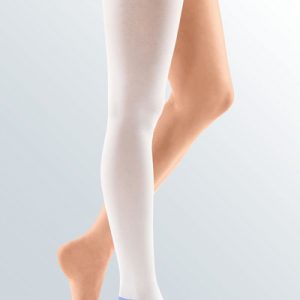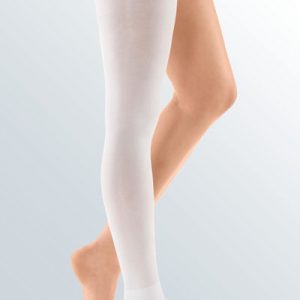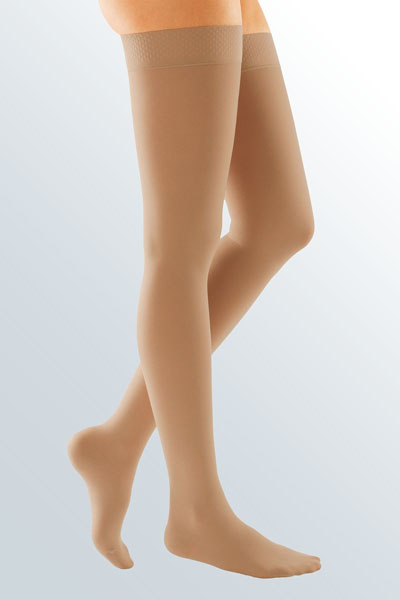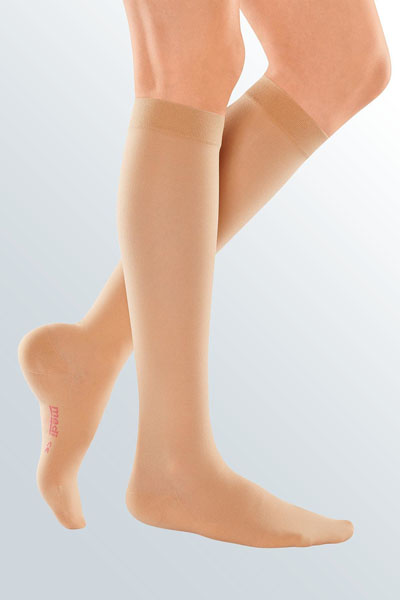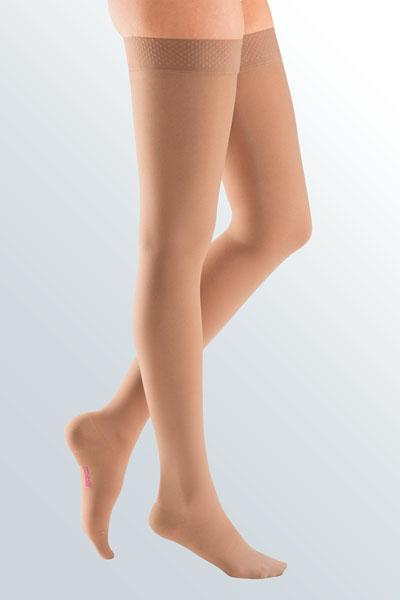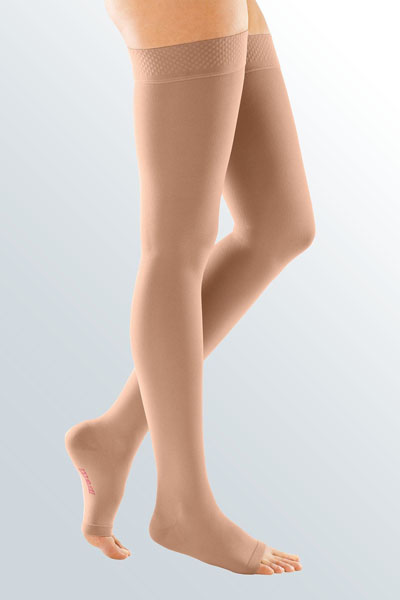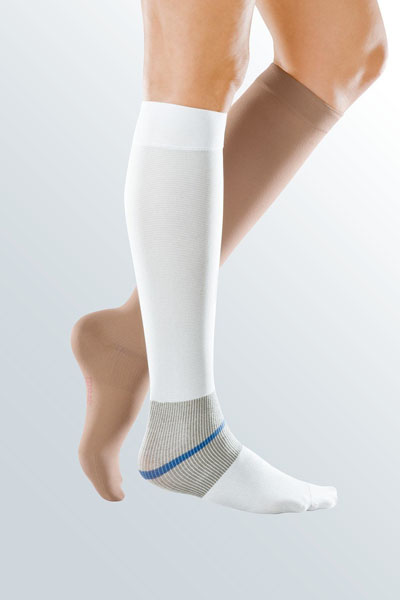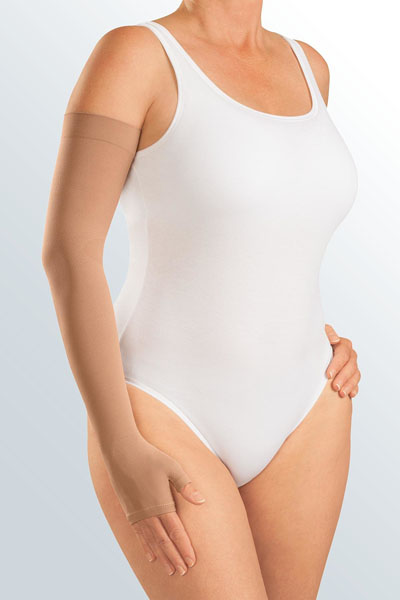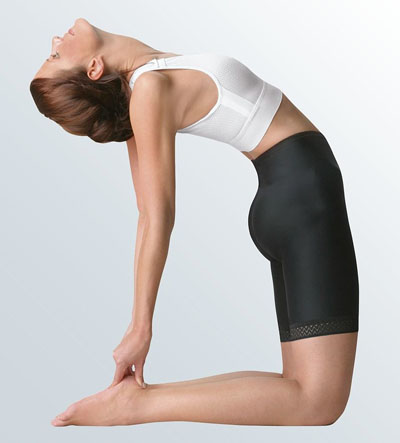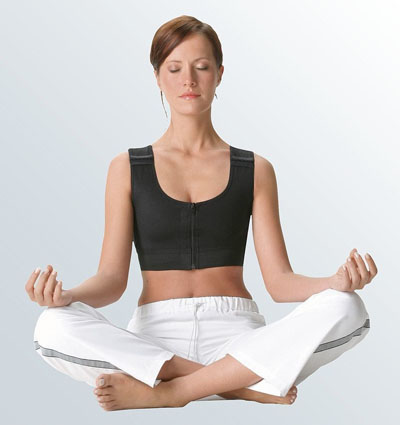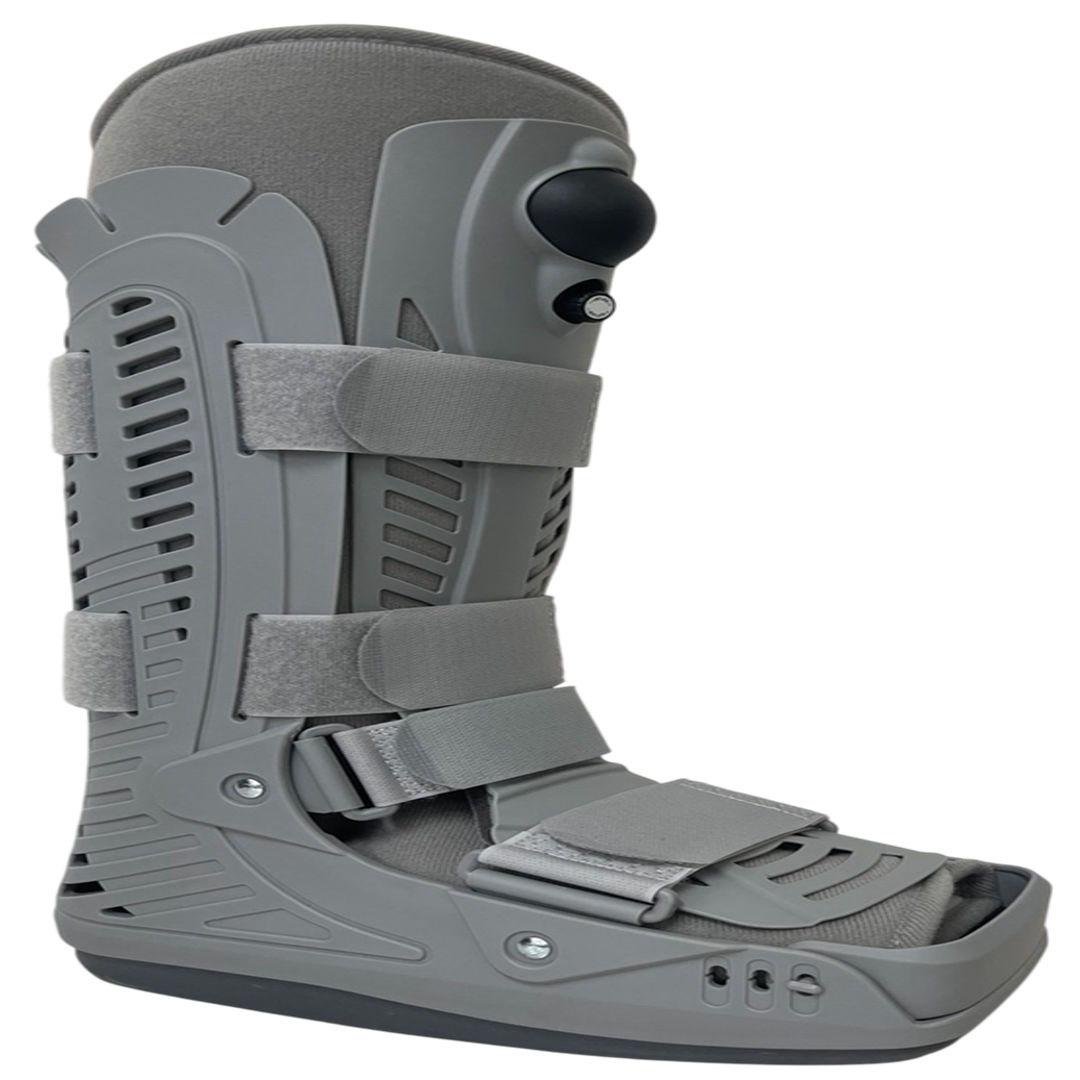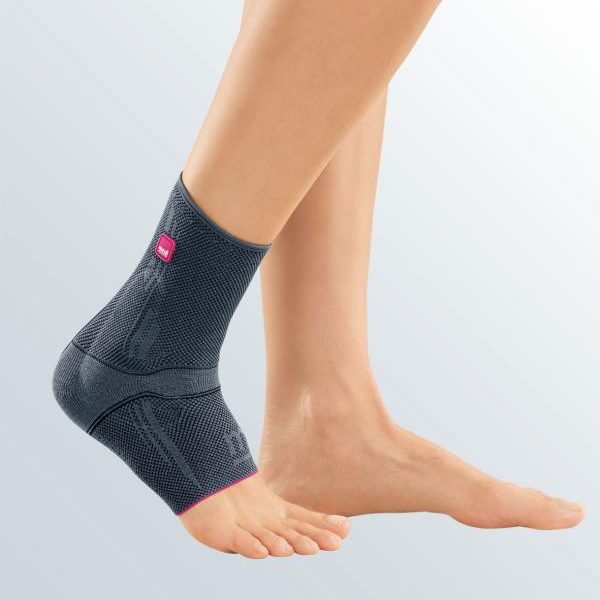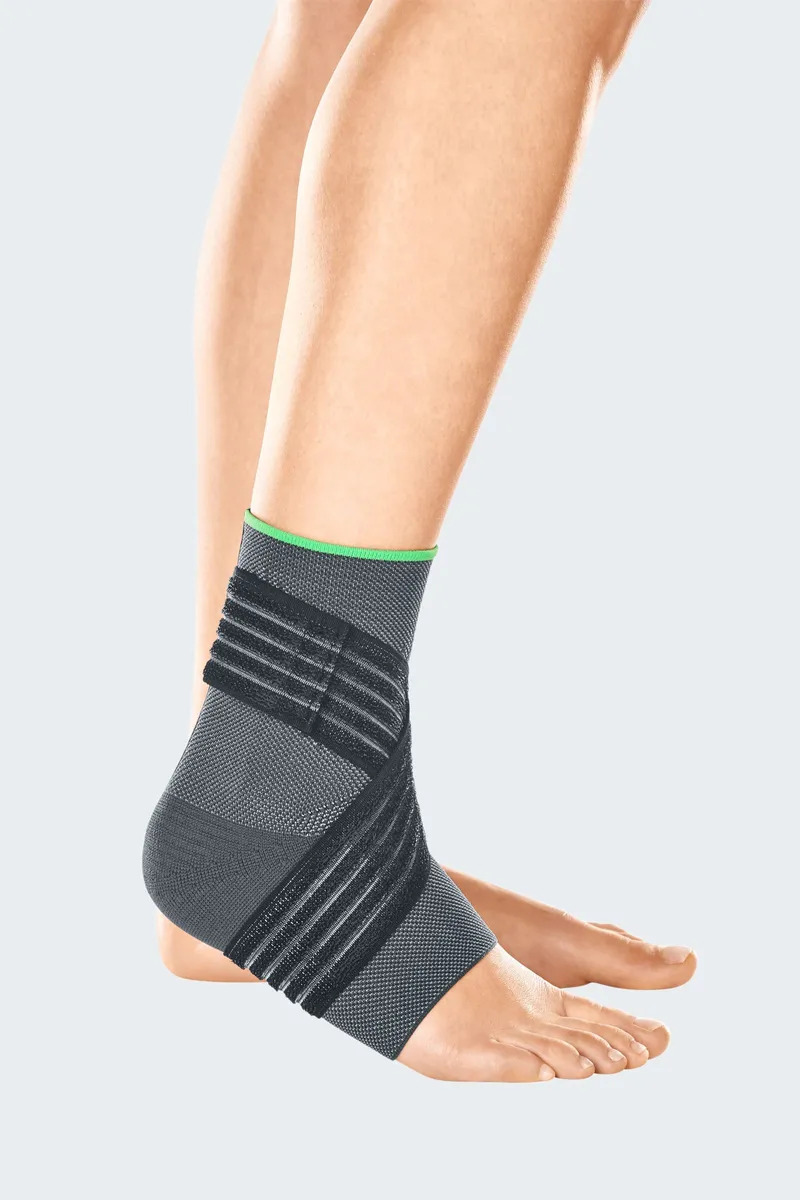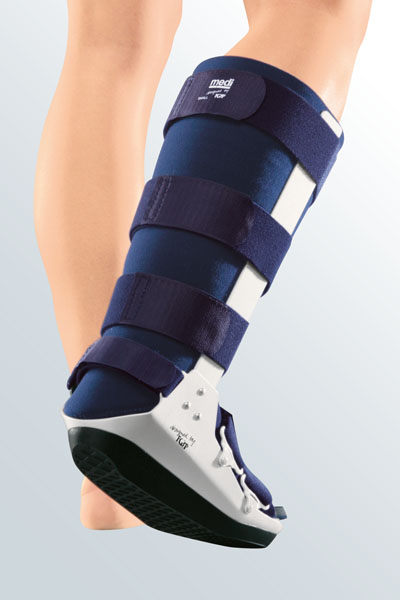











Medical compression stockings may look like ordinary socks, but they offer extraordinary benefits. Designed with graded pressure, these stockings help improve blood flow, reduce swelling, and prevent serious vascular conditions. If you’re wondering what they do, who should use them, and when to wear them, this blog breaks it all down.
What Are Compression Stockings? Compression stockings are specially designed elastic garments worn around the legs. They apply graduated pressure (highest at the ankle and decreasing upwards) to:

Prevention of Deep Vein Thrombosis (DVT) Doctors often prescribe compression stockings after surgery or long hospital stays to prevent DVT, a serious condition where blood clots form in deep veins, typically in the legs.
Varicose Veins and Spider Veins Compression stockings help manage varicose veins by improving venous return and relieving:
Chronic Venous Insufficiency (CVI) In patients with CVI, the valves in leg veins don’t function properly. Compression therapy:
Lymphedema & Leg Swelling People with lymphedema (fluid retention) or edema due to heart/kidney issues can benefit from compression to manage swelling, discomfort, and mobility issues.
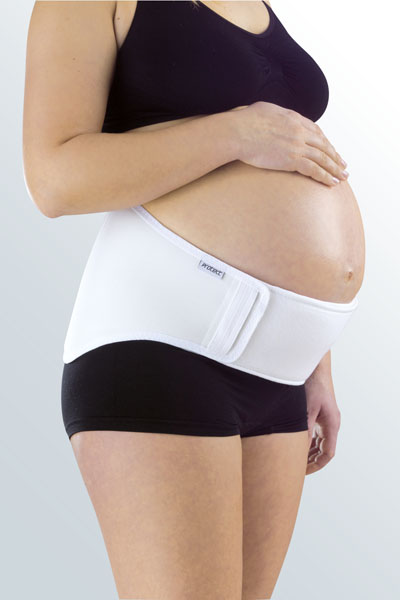
Pregnancy During pregnancy, hormonal changes and extra pressure on veins can lead to swelling or varicose veins. Compression stockings offer relief by supporting circulation in the lower body.
Athletic Recovery & Travel Some athletes and travelers wear compression stockings to:
How Do They Work? Compression stockings apply graduated pressure, which: